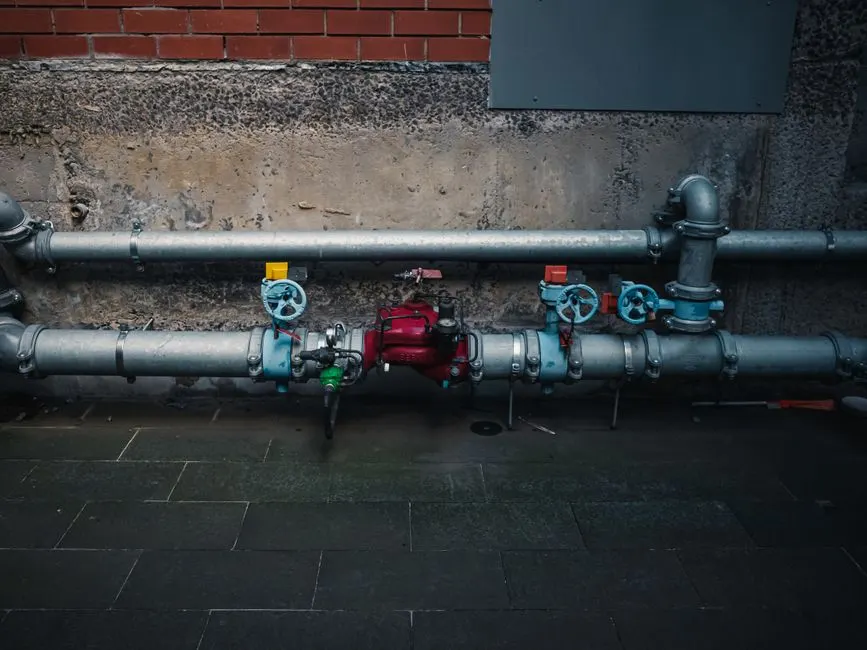
Slab leaks in Fort Pierce happen because the copper or PVC pipes running under your concrete foundation fail - most often from soil movement, corrosion, hard water, high pressure, or poor original construction. What causes slab leaks Fort Pierce FL homeowners deal with is rarely a single issue; it's usually two or three of these forces working together over 20 to 40 years. This article breaks down each cause, shows you what to watch for, and explains when it's time to call in a professional.
What causes slab leaks in Fort Pierce FL homes?
Slab leaks in Fort Pierce are caused by the combination of aggressive soil conditions, aging pipe materials, and water chemistry that wears down plumbing from the inside out. The Treasure Coast's sandy, shifting soil and mineral-heavy water create a perfect storm for under-slab pipe failure. We've seen slab leaks in every neighborhood from slab leak repair Downtown Fort Pierce FL to newer developments out west, and the causes repeat.
Here's the short version: pipes under your slab don't fail overnight. They degrade over decades, and Fort Pierce's environment accelerates that timeline. Understanding the specific causes helps you spot warning signs early and avoid a $4,000 to $8,000 repair bill - typical 2026 pricing in this area for slab leak repair.
Soil movement and settling: the Fort Pierce factor
Soil movement is the leading cause of slab leaks in Fort Pierce because the region's sandy, limestone-rich ground shifts with seasonal rain and drought cycles. When the soil under your foundation expands after heavy summer rains and contracts during the dry spring, it puts stress on the pipes buried in it. Over time, that flexing cracks copper fittings and shears PVC joints.
Fort Pierce sits on a mix of sandy soil and shallow limestone. That combination drains quickly but doesn't hold its shape well. We see more slab leaks in neighborhoods with older slab-on-grade construction - especially in slab leak detection Lincoln Park Fort Pierce FL where homes built in the 1960s and 1970s are now seeing their second or third generation of pipe failure.
Soil movement doesn't just crack pipes. It also creates voids under the slab that let the concrete settle unevenly. If you notice new cracks in your walls or floors, or doors that suddenly stick, that's a sign the ground underneath is moving - and your pipes may be next.
Pipe corrosion and aging infrastructure
Pipe corrosion is the second major cause of slab leaks in Fort Pierce, and it's almost entirely a function of age and water chemistry. Most homes built before 1990 used copper under-slab lines. Copper is durable, but it's not immortal - especially in Florida's water.
Fort Pierce's municipal water supply comes from groundwater that's treated but still carries dissolved minerals and a slightly acidic pH. That water slowly eats away at the inside of copper pipes, creating pinhole leaks that grow into full slab leaks. We've torn out copper lines in slab leak repair Lawnwood Fort Pierce FL that were paper-thin in spots after 30 years.
Homes built after 1990 often used PVC or CPVC. These materials don't corrode the same way, but they become brittle with age and can crack under soil movement or pressure surges. No pipe material lasts forever under a slab.
Hard water and mineral buildup
Hard water accelerates slab leak damage in Fort Pierce by depositing calcium and magnesium inside your pipes, narrowing the flow and increasing pressure on the pipe walls. Fort Pierce water typically runs 8 to 12 grains per gallon of hardness - solidly in the "hard" range. That mineral buildup doesn't just clog fixtures; it stresses the entire under-slab system.
When pipes narrow, water pressure rises behind the blockage. That extra pressure finds the weakest point - usually a corroded fitting or a joint stressed by soil movement - and starts a leak. We've measured pressure spikes of 20 to 30 PSI above normal in homes with significant scale buildup.
A water softener or whole-home filtration system can slow this process, but it won't reverse damage already done. If your home is over 25 years old and you've never had the under-slab lines inspected, it's worth a professional look. Our water leak detection Fort Pierce FL service includes a full pressure and flow analysis that can spot early corrosion before it becomes a slab leak.
High water pressure and thermal expansion
High water pressure is a silent slab leak cause in Fort Pierce because most homeowners never check it. Municipal supply pressure in this area often runs 70 to 90 PSI - well above the 60 PSI that most residential plumbing is designed to handle. That constant overpressure stresses every joint and fitting under your slab.
Add thermal expansion to the mix. Fort Pierce's hot water can reach 140°F or higher in an unregulated system, and that heat makes pipes expand. When they cool, they contract. That cycle repeats every day, and over 10,000 cycles a year, even minor expansion can crack a weak joint.
You can check your pressure with a $15 gauge from any hardware store. If it reads above 80 PSI, install a pressure-reducing valve. It's one of the cheapest ways to extend the life of your under-slab plumbing.
Poor construction and substandard materials
Poor construction is a documented slab leak cause in Fort Pierce, especially in homes built during rapid growth periods when builders cut corners. We've seen under-slab pipes laid directly on rocky soil without proper bedding, joints that weren't soldered correctly, and thin-wall copper that should never have been buried.
Some of the worst slab leaks we've repaired were in homes less than 15 years old. The pipes were installed too close to the surface, or the concrete was poured directly over fittings without protective sleeves. Those defects don't show up on a home inspection - they show up as a wet spot on your floor five years later.
If you're buying a home in Fort Pierce, ask for the plumbing layout and the age of the under-slab lines. A professional slab leak detection Fort Pierce FL inspection before closing can save you tens of thousands in hidden repairs.
Common mistakes that make slab leaks worse
Homeowners in Fort Pierce make a few predictable mistakes when they suspect a slab leak, and each one can turn a manageable repair into a major excavation. Here's what to avoid:
- Ignoring the warning signs. A warm spot on the floor or the sound of running water when nothing is on is not normal. Waiting six months can double the damage.
- Patching the symptom, not the cause. Pouring concrete over a wet spot or painting over water stains doesn't fix the pipe. The leak continues under the slab.
- Hiring the cheapest bid without leak detection. If a contractor quotes a repair without first locating the leak with acoustic or thermal equipment, they're guessing - and you'll pay for their guess.
- Turning up the water pressure to compensate. If your shower pressure drops because of a leak, increasing the regulator only makes the leak worse.
We've seen homeowners spend $1,500 on cosmetic floor repairs only to discover the slab leak was still active and had rotted the subfloor. Fix the pipe first, then the finishes.
When to call a professional for slab leak detection
Call a professional when you notice any of these signs: a sudden spike in your water bill, the sound of running water when all fixtures are off, warm spots on the floor, or unexplained moisture along baseboards. Those are the classic indicators of an under-slab leak, and they won't fix themselves.
Our team at Pierce Leak Pros uses acoustic listening equipment, thermal imaging, and pressure isolation to pinpoint the leak within inches - no guesswork, no unnecessary demolition. We find the leak, fix it, and test the line before we leave. If you're in slab leak repair South Fort Pierce FL or anywhere in the city, we can usually get to you the same day.
Don't wait for the water bill to double. A $300 detection visit now can save you $5,000 in foundation and flooring repairs later.
Frequently asked questions
Does Florida soil cause slab leaks in Fort Pierce?
Yes. Fort Pierce's sandy, limestone-rich soil shifts with wet and dry cycles, stressing under-slab pipes. That movement cracks joints and fittings over time. Homes on slab-on-grade foundations are most vulnerable, especially those built before 1990.
Can old pipes cause slab leaks in Fort Pierce FL?
Absolutely. Copper pipes older than 30 years often develop pinhole leaks from corrosion. PVC pipes become brittle after 20 to 25 years. If your home was built before 1995, your under-slab pipes are in the high-risk window.
Why do slab leaks happen in older Fort Pierce homes?
Older Fort Pierce homes have copper or early PVC lines that have endured decades of soil movement, hard water, and pressure cycling. The combination wears down pipe walls and joints. Most slab leaks we see are in homes 25 to 50 years old.
How do I prevent slab leaks in my Fort Pierce home?
Install a pressure-reducing valve if your PSI is above 80, add a water softener to combat hardness, and have your under-slab lines inspected every 5 to 7 years. Fix small leaks immediately - they don't heal on their own.
Get help with leak detection in Fort Pierce
If you suspect a slab leak, don't wait for the damage to spread. Our team at Pierce Leak Pros provides fast, accurate slab leak repair Fort Pierce FL with upfront pricing and no guesswork. Call us at 1234567890 to schedule your detection visit today.